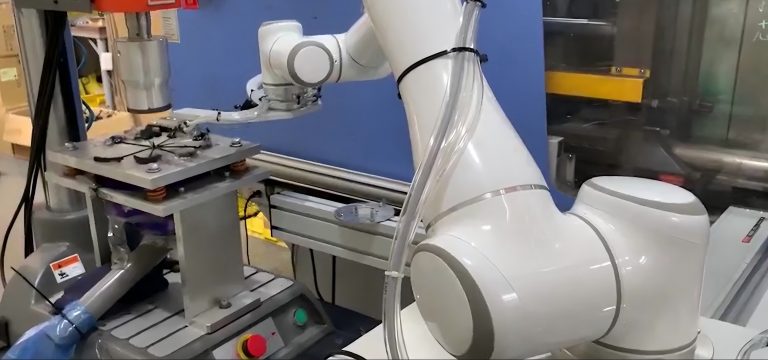
SCARA Multi-Joint Robot Arm: Advantages, Disadvantages & Selection Guide
A SCARA multi-joint robot arm (Selective Compliance Assembly Robotic Arm) is an industry-standard solution for high-speed, high-precision automation. Whether you are optimizing a pick-and-place application, assembly line, or loading/unloading process, understanding the advantages and disadvantages of SCARA robots is crucial for your ROI. This guide explores the core technical benefits of horizontal multi-joint manipulators and provides a professional framework on how to choose a SCARA robot tailored to your production requirements.
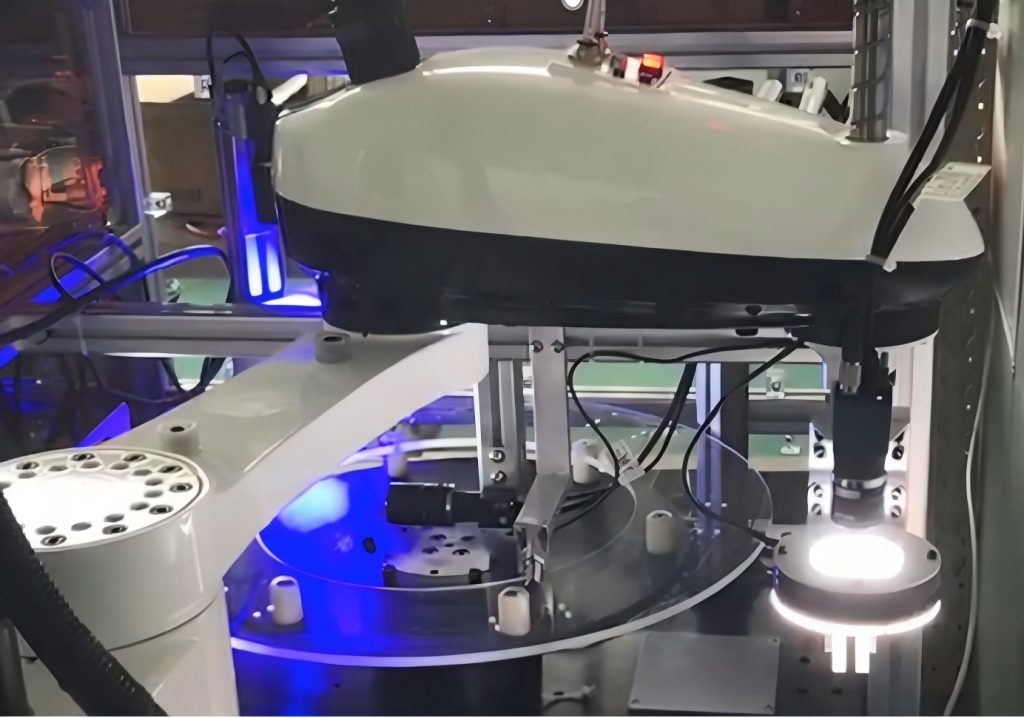
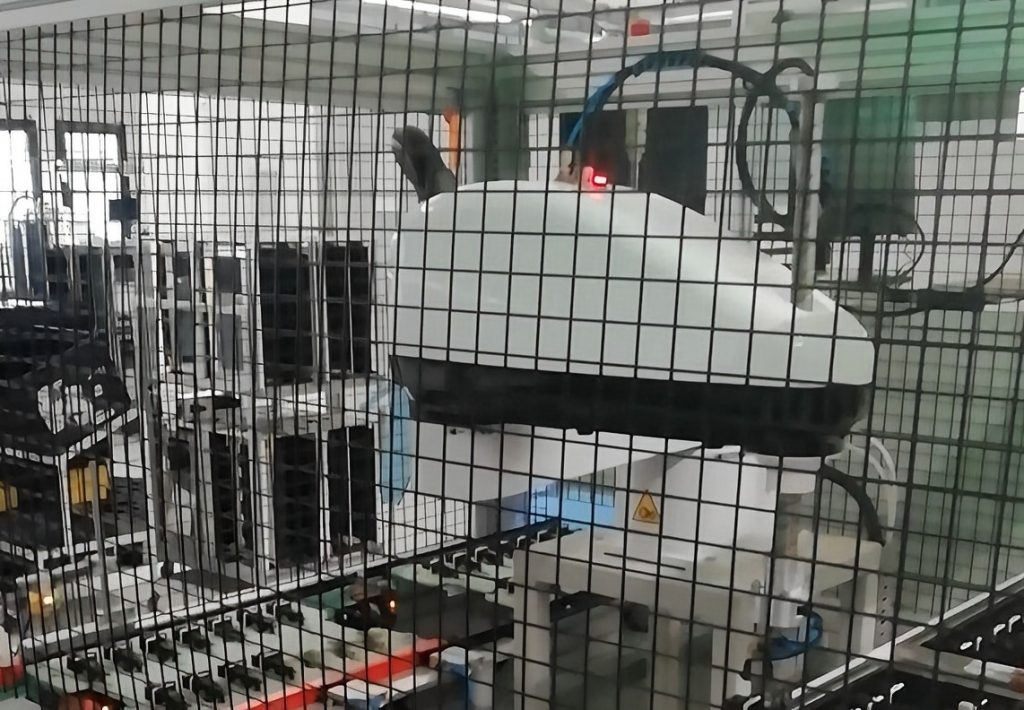
Core Advantages of SCARA Multi-Joint Robots
Joint robots are one of the common forms of industrial robots in the industrial field and are mostly suitable for mechanical automation operations in the industrial sector. Among them, the horizontal SCARA multi-joint robot, also known as the selective compliance assembly robotic arm (SCARA) or horizontal multi-joint manipulator, is a special type of industrial robot. So, what are the advantages and disadvantages of horizontal multi-joint robots? Then how should one choose? Kelanda robot arm will explain to everyone.
In terms of advantages, SCARA multi-joint robots have a high degree of flexibility and adaptability. They can imitate the movements of human arms and perform precise operations in confined Spaces, making them suitable for various scenarios such as assembly, handling, and loading/ unloading. In addition, these robots also feature high precision and high efficiency, which can significantly enhance production efficiency and product quality.
Limitations: Understanding the Disadvantages
In terms of disadvantages, SCARA multi-joint robots, due to their complex structure and multiple control units, usually have a high cost, which is not conducive to large-scale application. In addition, this type of robot is relatively heavy, making it difficult to achieve high-speed movement and rapid response when moving. As a result, it may be restricted in some scenarios where the working position needs to be changed quickly.
Professional Selection Criteria (How to Choose?)
By understanding the advantages and disadvantages of SCARA multi-joint robots, enterprises need to comprehensively consider multiple factors when making a choice.
- It is necessary to clarify the production requirements and ensure that the selected robot can meet all the requirements in the production process.
- The cost-effectiveness of the robot should be taken into account, including the purchase cost, maintenance cost and the economic benefits of long-term use.
- Attention should also be paid to factors such as the maintainability, reliability and after-sales service of the robot to ensure its stable operation and long-term benefits.
- Payload Capacity: Assessing the weight requirements for your end effector and workpiece.
- Reach & Working Envelope: Matching the robot to your production cell layout.
- Repeatability & Precision: Defining accuracy for high-mix assembly.
- Integration & Control: Compatibility with PLCs, vision systems, and existing production software.
Above all, understand the advantages and disadvantages of horizontal multi-joint robot, and carries on the reasonable choice according to the actual demand, is the enterprise to realize automation of production, improve production efficiency is the key. If you want to learn more about robots, welcome to follow us.
FAQ
What is the main difference between a SCARA robot and a 6-axis robot?
SCARA robots are specifically designed for horizontal assembly, offering high-speed vertical stiffness and precise XY movement, whereas 6-axis robots offer greater flexibility for complex 3D paths.
What are the common applications for SCARA multi-joint robot arms?
They are ideal for pick-and-place, assembly, dispensing, solder paste application, and medical device manufacturing where high-speed repeatability is required.
How do I calculate the payload for a SCARA robot?
Always include the weight of your end-effector (gripper/nozzle) plus the workpiece weight, ensuring the total is within the robot’s specified payload limit.